
Northern Lights 2026–2027: Norway, Iceland or Lapland?
Choose Tromsø, Iceland or Finnish Lapland for a northern lights trip. Compare seasons, plan four nights and prepare forecasts, maps and mobile data.
In this article
A good northern lights trip should still be a good holiday if the sky stays cloudy. Start with the daytime experience you want: a lively Arctic city, Icelandic landscapes or a quiet Lapland base. Then give yourself several evenings, dark skies and enough flexibility to follow local weather.
For the 2026–2027 aurora season, this guide compares Tromsø, Iceland and Finnish Lapland, offers a four-night planning example and explains how to keep forecasts, meeting points and maps accessible. No destination, tour or travel date guarantees a sighting.
Norway, Iceland or Finnish Lapland: which should you choose?
| Destination | A good fit for | Main planning consideration |
|---|---|---|
| Tromsø, northern Norway | A city base with organised aurora outings and daytime excursions | Compare pickup points, tour duration and weather cancellation terms. |
| Iceland | Travellers who also want landscapes, hot pools and a wider touring holiday | Winter road conditions and long drives can limit a packed itinerary. |
| Finnish Lapland | A slower stay around a town, resort or cabin with winter activities | Check transfers and distance from services before booking a remote cabin. |
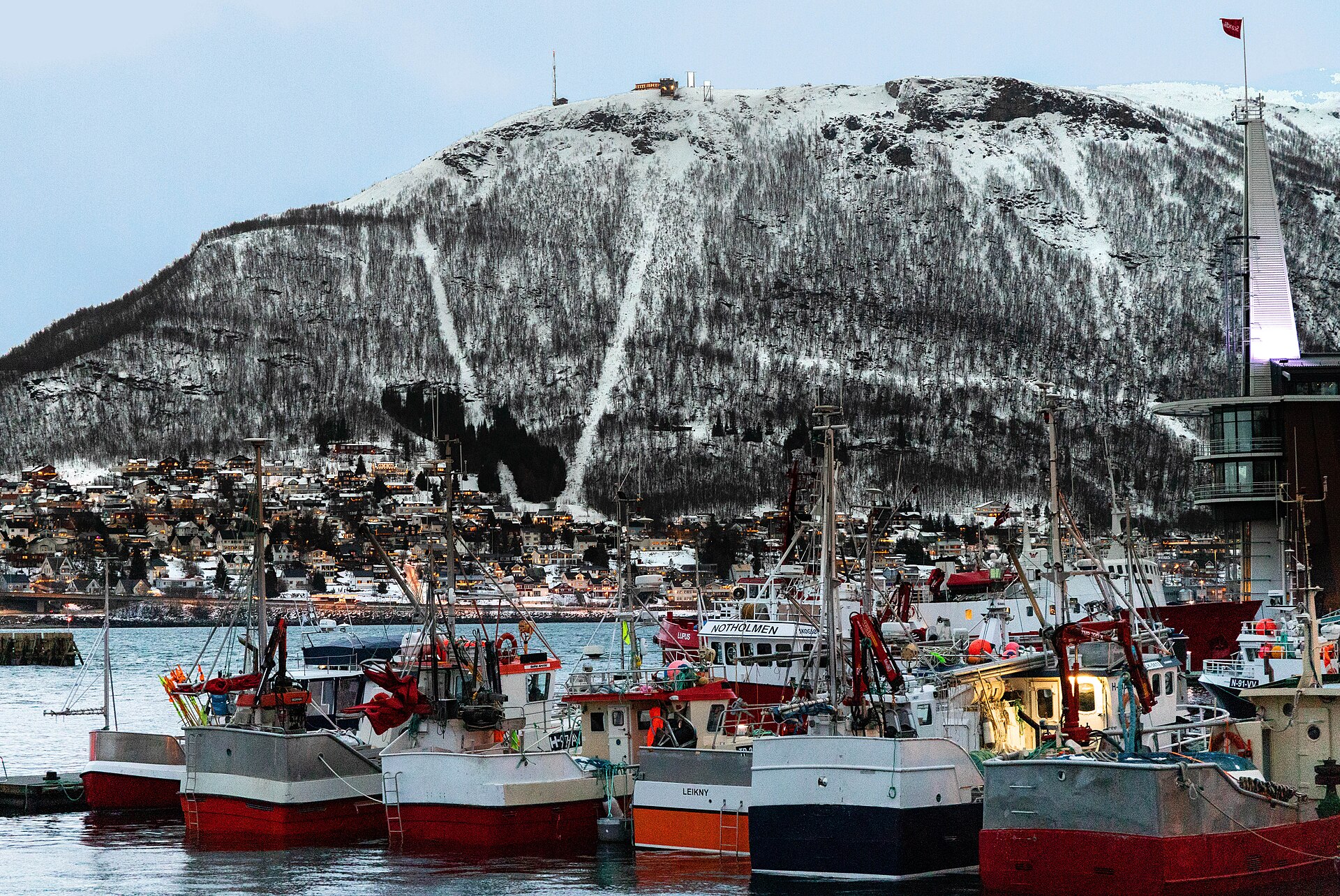
Tromsø is useful for a first trip without a rental car when you select accommodation and tours with compatible transport. Iceland suits travellers whose daytime itinerary matters as much as the aurora. In Lapland, decide between a serviced base and isolation: a beautiful cabin can add considerable transfer costs.

What is the best time to see the northern lights?
Darkness creates the viewing window, while cloud and geomagnetic activity decide what happens on an individual night. Official tourism guidance describes approximately late August–late March in northern Norway, late August–early April in Finnish Lapland, and late August–late April in Iceland. The edges of the season have shorter dark windows; these are not identical conditions throughout.
| Period | Why consider it? | What to allow for |
|---|---|---|
| September–October | Autumn landscapes and aurora viewing without requiring a full winter holiday | Snow activities may not operate; weather and daylight vary by destination. |
| November–January | Long nights and, in suitable northern areas, a winter-focused trip | Limited daylight, cold, holiday demand and winter transport. |
| February–March | More daytime sightseeing alongside dark evenings | Conditions still require winter clothing and realistic road plans. |
There is no universally best month. Choose an experience you will enjoy, then compare flight connections, accommodation and a flexible evening plan. For a holiday-focused Lapland trip, our Finland Christmas guide explains a different question: Helsinki or Rovaniemi, transfers and festive activities.
How can you plan four nights without chasing every forecast?
Use one base rather than flying between three countries in a short break. Four nights offer several opportunities, not four guaranteed clear skies. This is an itinerary suggestion, not a probability calculation.
- Arrival evening: settle in, collect warm equipment and confirm the meeting point. Avoid a tight paid-tour connection straight after landing.
- First full day: choose a daytime activity and, if conditions suit, your main aurora outing. Booking early in the stay leaves room for weather changes.
- Middle evening: keep a flexible slot; rest after a late night rather than combining an exhausting day with a long drive.
- Final evening: use it as an optional extra, not your only chance. Protect your departure transfer and sleep.
Before paying, check what is included: warm clothing, transfer range, group size, cancellation rules and any repeat-trip conditions. A “chase” may involve substantial driving. If you are unfamiliar with winter roads, compare organised transport instead of improvising a late-night route.
Which forecasts should you actually use?
Check cloud cover, darkness and safe access first, then aurora activity. A high Kp value cannot make lights visible through thick cloud. Near the auroral zone, a lower global index does not automatically mean there is nothing to see. Long-range aurora headlines are not a reliable forecast for your exact booking night.
For Iceland, use the Icelandic Met Office aurora page: the cloud map and aurora activity scale are separate information. For Finland, check the Finnish Meteorological Institute’s aurora tools. In Norway, start with Visit Norway’s northern lights guidance and current local weather.

How should you prepare your phone and mobile internet?
Save the accommodation address, tour voucher, emergency contacts and offline maps before leaving Wi-Fi. Keep your phone and a charged power bank warm in an inner pocket; use screen brightness thoughtfully and avoid leaving the phone exposed for long periods. Do not stop on an unsafe roadside simply to photograph the sky.
First check whether your home plan already includes your destinations and sufficient roaming data. If it does, another eSIM may be unnecessary. For a single-country stay, compare a country package such as Finland eSIM. For a wider route, inspect the exact country list in Europe eSIM plans.
On 22 October 2026, the displayed Eurolink Europe coverage included Norway, Iceland and Finland. Recheck the selected package before purchase; “Europe” in a product name is not a universal coverage definition. Remote fjords, forests and cabins can have gaps even when the country is included.
For planning, 300 MB × 7 days ≈ 2.1 GB is a light-use example, not a promise. Uploading aurora videos, cloud photo backups and hotspot sharing can use much more. Check device compatibility, activation timing and roaming instructions; a data-only eSIM does not add a local calling number.
Northern lights travel: frequently asked questions
Can you see the northern lights in summer?
In these northern destinations, bright summer nights make viewing difficult or impossible around the midnight-sun period. Choose a season with genuine darkness, not merely a forecast of solar activity.
Is Tromsø better than Iceland for the northern lights?
Neither can guarantee clear skies. Tromsø suits a focused city-based aurora break; Iceland suits a broader landscape trip. Compare your daytime interests, transport and number of nights.
How many nights should I book?
Several nights give more opportunities than one. Four nights is a practical starting point for this guide, but weather can remain unsuitable throughout; longer stays still offer no guarantee.
Does a high Kp forecast guarantee a sighting?
No. You also need darkness, a sufficiently clear view and suitable local conditions. Read cloud and aurora forecasts together, rather than choosing solely by the largest number.
Will a Europe eSIM work in Norway and Iceland?
Only if the specific package includes them. The checked Eurolink listing included both, plus Finland; verify the current plan and local coverage before buying.
Can I plan the trip entirely with live mobile maps?
Keep an offline backup. Reception and battery life can fail at inconvenient moments; save routes, meeting instructions and essential contacts before going out.
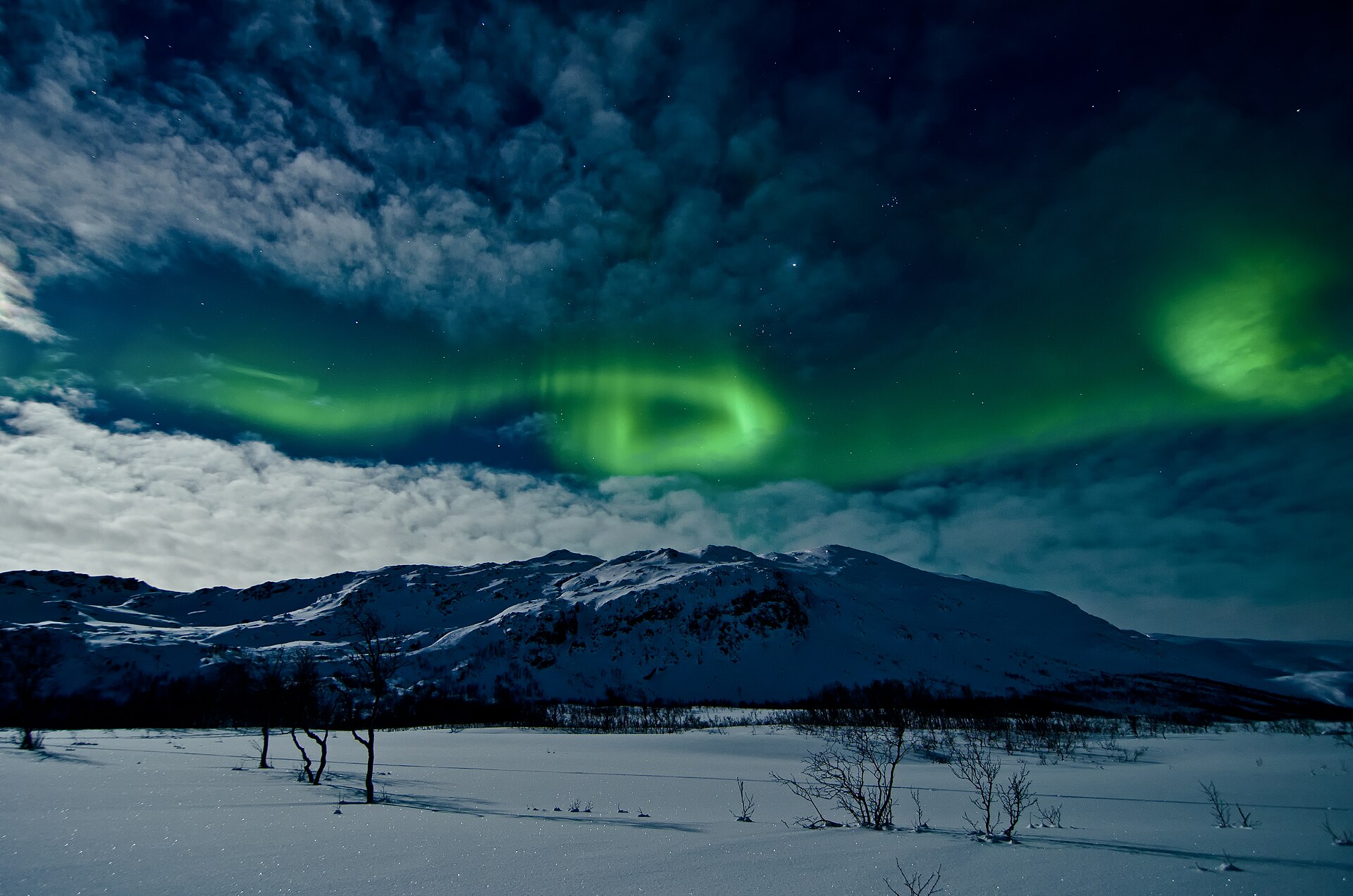
Season sources: Visit Finland, Visit Iceland and Visit Norway. Checked 22 October 2026. Cover photograph: Andi Gentsch, CC BY-SA 2.0, resized. eSIMfo publishes this guide and sells the linked data packages.
