
Using Hotspot With eSIM Safely: The Ultimate Guide
Learn how to share your eSIM data via hotspot safely while managing data usage and battery life.
In this article
The Ultimate Guide to Using Hotspot With eSIM Safely
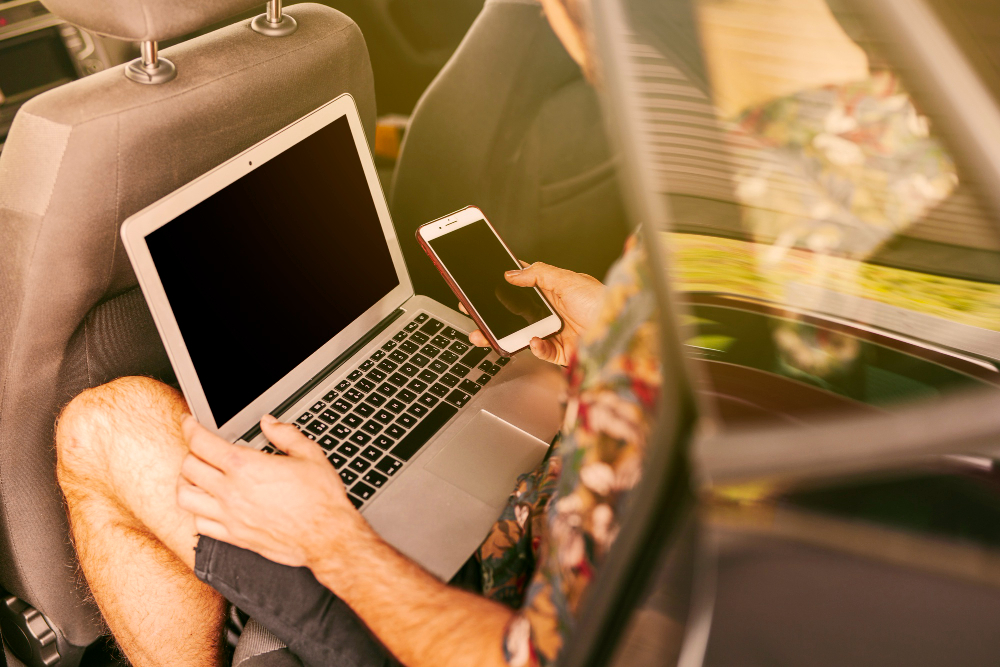
Your laptop battery is full. Your phone has strong signal. The airport lounge WiFi crawls at the speed of a sleepy turtle. You still need to upload files, join a video meeting, and respond to messages.
This is the moment when your phone’s hotspot becomes the most valuable tool in your travel setup.
Hotspot tethering allows your phone to share its mobile data connection with other devices such as laptops, tablets, or even another phone. For travelers using eSIM data plans, it can feel like carrying a portable internet router in your pocket.
However, hotspot use with an eSIM requires a bit of awareness. Data can disappear faster than expected. Background processes from connected devices can drain gigabytes quietly. Security also matters, especially in public spaces.
Understanding how hotspot connections work, how eSIM data behaves, and how to control usage helps travelers stay connected without unpleasant surprises.
Let’s walk through how to use hotspot with an eSIM safely and efficiently.
Why Travelers Use Hotspot With eSIM
Many travelers rely on multiple devices. A smartphone handles navigation and messaging. A laptop manages work, documents, and video calls. Tablets may carry presentations or reading material.
Public WiFi networks often feel unreliable or slow. Some require complicated login portals. Others limit speed heavily during busy hours.
A hotspot bypasses those problems. Your phone connects to the cellular network and shares that connection directly with your other devices.
With an eSIM data plan, the process becomes even smoother. Instead of swapping physical SIM cards in different countries, your phone connects instantly to a local network. The hotspot then distributes that connection wherever you need it.
For digital nomads, business travelers, and remote workers, this flexibility can keep productivity flowing across borders.
Still, a hotspot behaves differently from regular phone usage.
How Hotspot Actually Works
Your phone normally connects to a cellular tower and communicates directly with the network.
When hotspot mode is enabled, the phone becomes a mini router. It broadcasts a WiFi network and allows other devices to connect.
Your laptop or tablet then sends its internet requests through the phone. The phone forwards those requests to the cellular network and returns the responses.
That extra step means two things happen at the same time.
First, the phone handles cellular communication. Second, it manages WiFi connections for multiple devices.
This dual workload increases battery usage and data consumption. Your phone is doing more work than usual.
Understanding this behavior helps explain why hotspot sessions drain both battery and data faster.
Data Usage Grows Faster With Laptops
Smartphones are designed to manage data efficiently. Mobile apps compress images, reduce background activity, and adjust content resolution automatically.
Laptops operate differently.
Operating systems check for updates regularly. Cloud storage services sync folders automatically. Web browsers load full desktop versions of websites. Video platforms stream high-resolution content by default.
If your laptop connects to your phone hotspot without adjustment, it may start downloading updates or syncing large files immediately.
That activity can consume hundreds of megabytes before you even open your first browser tab.
Before connecting your laptop to a hotspot, pause automatic updates and cloud synchronization. This prevents silent background activity from consuming your entire data allowance.
eSIM Data Plans and Hotspot Support
Not every mobile plan handles hotspot traffic the same way.
Some plans allow full hotspot usage without restrictions. Others limit tethering speeds or include specific data caps for hotspot sessions.
Most travel eSIM plans support hotspot sharing, but policies vary depending on the provider and the network partner in each country.
Checking plan details before relying heavily on hotspot connections helps avoid confusion.
If hotspot is fully supported, the experience should feel similar to regular mobile data usage. If restrictions exist, speeds may reduce after certain thresholds.
Understanding your plan prevents unexpected slowdowns during important tasks.
Battery Consumption During Hotspot Sessions
Hotspot mode increases battery consumption noticeably.
Your phone transmits WiFi signals to connected devices while maintaining cellular connectivity at the same time. Both processes require power.
Long hotspot sessions can drain battery quickly, especially if multiple devices remain connected.
Keeping a portable power bank nearby helps maintain connectivity during long work sessions in cafes, airports, or trains.
Lowering screen brightness and closing unnecessary apps also reduces battery drain during tethering.
Small adjustments extend hotspot sessions significantly.
Hotspot Security Matters
A hotspot broadcasts a WiFi network visible to nearby devices. Without proper security settings, strangers could attempt to connect.
Always set a strong password for your hotspot network. Avoid simple passwords that can be guessed easily.
Modern smartphones use WPA2 or WPA3 encryption for hotspot connections. This protects the communication between your phone and connected devices.
If you finish using the hotspot, turn it off rather than leaving it active. An open hotspot consumes battery and creates unnecessary security exposure.
Short sessions with proper passwords keep connections safe.
Managing Connected Devices
Every connected device shares the same mobile data connection.
If several devices connect simultaneously, bandwidth divides between them.
This can slow down performance and increase data usage quickly.
Limiting hotspot connections to only the devices you actively use helps maintain stable speeds.
Most phones allow you to see which devices are connected to the hotspot network. Checking this list occasionally ensures that only your own devices remain connected.
Removing unused connections protects both speed and security.
Positioning Your Phone for Stronger Signal
Hotspot performance depends on cellular signal strength.
If your phone struggles with weak signal, connected devices will experience slow speeds as well.
Position your phone where signal strength is strongest. Near windows often works well inside buildings.
Elevated surfaces such as tables or shelves also improve signal reception compared to placing the phone in a bag or pocket.
Better cellular signal improves hotspot stability immediately.
Network Technology and Hotspot Performance
Hotspot speed depends on the cellular network technology your phone uses.
5G networks can provide very fast hotspot speeds when coverage is strong. LTE networks often deliver stable performance with wide coverage.
In some locations, switching from 5G to LTE may improve stability if the 5G signal is weak.
Consistent signal matters more than peak speed for most hotspot tasks.
Video calls, file uploads, and cloud apps benefit from steady connectivity rather than fluctuating bursts of speed.
Monitoring Data Usage During Hotspot Sessions
Phones track mobile data usage by app and time period.
Checking data usage during hotspot sessions helps identify unexpected consumption.
If you notice rapid data depletion, the cause often comes from background laptop activity such as system updates, large file synchronization, or high-resolution streaming.
Adjusting those settings keeps usage predictable.
For travelers working remotely, monitoring usage daily prevents reaching plan limits unexpectedly.
Smart Hotspot Habits for Travelers
Hotspot tethering works best when used intentionally.
Before activating the hotspot, pause large downloads on connected devices. Disable automatic software updates temporarily. Lower video streaming quality where possible.
Downloading large files through hotel or coworking WiFi often makes more sense than using mobile data.
Hotspot connections are excellent for tasks such as email, cloud documents, messaging, and navigation research.
Large software downloads should wait for stable WiFi networks.
Balancing tasks across connection types helps preserve data.
Public Spaces and Privacy
Using a hotspot in public spaces has an advantage compared to open WiFi networks.
Public WiFi networks sometimes allow other users to scan nearby devices or intercept unsecured traffic.
Your personal hotspot creates a private network that only your devices can access.
This reduces exposure to potential security risks common in crowded WiFi environments.
However, privacy still requires attention. Use secure websites, keep devices updated, and avoid sharing sensitive data through unknown networks.
Hotspot networks improve privacy but do not replace good digital habits.
Hotspot and Video Calls
Video calls place heavy demands on mobile data.
High-definition video meetings can consume hundreds of megabytes per hour.
If you plan to join meetings through a hotspot, adjusting video quality settings helps reduce data usage.
Audio-only calls consume far less data and often work smoothly even on moderate connections.
For quick meetings while traveling, disabling video sometimes improves stability and saves significant data.
Understanding Latency and Real-Time Tasks
Hotspot performance depends not only on download speed but also on latency.
Latency refers to how quickly data travels between your device and the server.
High latency causes delays in video calls, online collaboration tools, and remote desktop sessions.
Stable LTE connections often deliver lower latency than unstable 5G signals.
Testing both network modes helps determine which performs better in your location.
When Hotspot Becomes Essential
Certain travel situations make hotspot connections extremely valuable.
Airports with overloaded WiFi networks often leave travelers searching for reliable connectivity.
Hotels sometimes provide internet that slows dramatically during evening hours.
Train stations, taxis, and outdoor locations may not offer WiFi at all.
In these moments, a personal hotspot becomes the fastest path to reliable internet access.
Prepared travelers rely on this capability frequently.
The Importance of Offline Preparation
Even the best hotspot strategy cannot replace offline preparation.
Downloading maps, documents, tickets, and essential files before leaving WiFi coverage reduces reliance on mobile data.
If signal strength drops during travel, offline content keeps your workflow moving.
Combining offline preparation with controlled hotspot usage creates a balanced connectivity approach.
Traveling With Multiple Devices
Some travelers carry several connected devices such as laptops, tablets, and smartwatches.
Not every device needs constant internet access.
Connecting only the device currently in use prevents unnecessary background traffic.
Smartwatches and tablets may perform automatic updates once connected to a network.
Limiting connections keeps the hotspot focused on the task that matters.
Signal Quality and Device Placement
Hotspot speed depends heavily on signal quality.
Placing your phone near thick walls, inside bags, or under metal surfaces weakens reception.
Positioning the phone where signal bars are strongest improves both speed and reliability.
A small adjustment in placement can change performance significantly.
This becomes especially noticeable inside large buildings or underground transport stations.
Traveling Across Countries With eSIM
One advantage of eSIM technology is flexibility.
Instead of purchasing physical SIM cards in every country, travelers can switch networks digitally.
This often means connecting to local carriers with strong coverage in that region.
Better local connectivity improves hotspot performance for all connected devices.
For people who move between countries regularly, this flexibility simplifies mobile connectivity.
Building a Reliable Travel Connectivity Setup
Reliable connectivity rarely depends on a single tool.
Travelers often combine several strategies.
They use local or regional eSIM plans, enable hotspot sharing when necessary, download content offline, and rely on trusted WiFi networks when available.
Each option supports the others.
This layered approach ensures that connectivity remains available even when one option becomes weak.
Staying Connected With Confidence
Hotspot tethering turns your smartphone into a portable internet hub. Combined with an eSIM, it provides flexibility that traditional travel connectivity never offered.
However, hotspot sessions require awareness. Data usage grows faster with laptops. Battery drains more quickly. Security settings must remain active.
Once you understand how hotspot connections work, managing them becomes straightforward.
Control connected devices. Monitor data usage. Choose strong signal locations. Use secure passwords.
These simple habits keep hotspot sessions efficient and safe.
Travel does not always provide stable WiFi networks. With a well-managed hotspot and a reliable eSIM data plan, your devices stay connected wherever your trip takes you.
At eSIMfo, we help you stay connected by explaining the technical reality behind your mobile connection.