
Will Physical SIM Cards Disappear? The Future of eSIM
Discover if physical SIMs are obsolete. Learn why travelers and nomads are switching to digital connectivity.
In this article
For decades, the small plastic SIM card quietly defined how mobile phones connected to networks. You popped it in, waited for signal bars, and that was that. It rarely asked for attention unless it stopped working or vanished somewhere between airport security and a hotel room carpet. Now eSIM sits firmly in the spotlight.
As eSIM adoption grows, a natural question keeps surfacing among travelers, digital nomads, and business users. What happens to physical SIM cards next? eSIM fits modern mobility far better, but the transition isn't instant. This article looks at where physical SIMs still matter, where they struggle, and how their future shapes up.
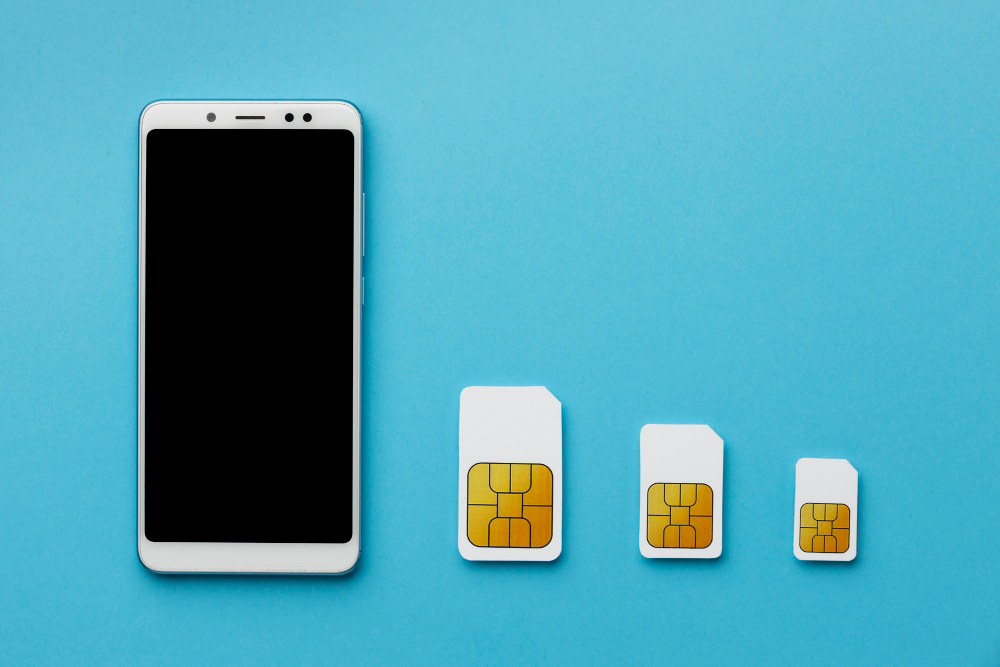
How Physical SIMs Became the Default
Physical SIM cards solved a real problem when mobile phones first spread globally. They separated the subscriber identity from the device. You could move your number from one phone to another. Carriers could manage access without rebuilding hardware.
That design made sense in a time when phones changed slowly, travel was less frequent, and mobile data played a smaller part in daily life. The SIM card became an industry standard because it balanced flexibility with control.
Why the Old Model Started Showing Cracks
As mobile usage expanded, the physical SIM model began to feel stretched. People traveled more often. Devices became thinner and more sealed. Phones stopped being simple calling tools and turned into multi-purpose work hubs.
Frequent travelers noticed the friction first. Buying local SIMs required time, language skills, and physical access to stores. Swapping cards meant losing contact on the original number. Carrying tiny pieces of plastic became part of travel rituals.
eSIM Changes the Structural Assumptions
eSIM removes the removable card entirely. Subscriber identity moves into secure hardware inside the device, managed through software. That change sounds simple, yet it alters several long-standing assumptions.
Connectivity no longer depends on physical access. Switching profiles does not require opening a tray. Preparing connectivity can happen remotely. This aligns far better with how people move and work today.
Does This Mean Physical SIMs Are Finished?
Not quite. Physical SIMs still serve specific needs, and those needs do not disappear overnight. Some devices lack eSIM support. Many feature phones and older smartphones rely entirely on physical cards. Certain regions still depend heavily on traditional distribution methods.
Where Physical SIMs Will Likely Remain
Physical SIM cards will persist in environments where simplicity and compatibility matter more than flexibility. Entry-level devices often avoid eSIM to reduce manufacturing complexity. Remote regions may lack the digital infrastructure to support seamless profile downloads.
In these cases, physical SIMs act as a stable, familiar solution. They may shrink in volume, but they will not vanish overnight.
Pressure From Device Manufacturers
One of the strongest forces shaping the future of physical SIMs comes from device design. Modern phones aim for thinner profiles, better water resistance, and fewer openings. Removing the SIM tray supports all three goals.
As manufacturers prioritize sealed designs, physical SIM slots become less attractive. Some devices already ship without them. This design trend pushes carriers and users toward eSIM whether they actively seek it or not.
Environmental and Logistical Considerations
Billions of plastic SIM cards have been produced over the years. Each one involves materials, packaging, transport, and disposal. eSIM removes most of that overhead. As sustainability becomes a broader concern in tech manufacturing, reducing physical components gains appeal.
Carrier Control Versus User Flexibility
Physical SIMs historically gave carriers strong control over distribution. Cards passed through official channels. Activation followed clear steps. eSIM shifts some control toward users. Profiles can be downloaded quickly. Switching providers becomes easier in many scenarios.
This shift challenges traditional carrier models. Not all operators embrace it at the same pace. In markets where regulation or competition encourages openness, eSIM adoption moves faster.
The Transitional Phase We Are Living In
Right now, the industry sits in a hybrid phase. Many devices support both physical SIM and eSIM. Users mix and match depending on needs. Travelers often keep a physical SIM for their home number and add eSIM data while abroad. This phase may last years, not months.
What Travelers Notice First
Travelers feel the difference between physical SIMs and eSIMs more sharply than stationary users. The ability to land and connect without store visits changes the rhythm of arrival days. No queues. No negotiations. No searching for compatible plans. Once travelers experience this convenience consistently, physical SIM workflows start to feel heavy.
Digital Nomads and Long-Term Mobility
For digital nomads, connectivity becomes part of daily infrastructure. Swapping SIM cards repeatedly interrupts routines. Managing numbers complicates authentication and communication. eSIM supports longer stays across multiple locations without repeated setup.
Business Users and Risk Reduction
Business users focus on predictability. Physical SIMs introduce risks through loss, damage, or misplacement. They also complicate device replacement during travel. eSIM reduces these risks by storing profiles securely and allowing remote management.
Will Physical SIMs Become a Backup Option?
This scenario appears likely. Physical SIMs may shift from primary connectivity to fallback status. Users keep them for compatibility, legacy systems, or specific regions. The main line moves to eSIM. The card becomes secondary.
Regional Differences Matter
The pace of change varies by region. Countries with strong digital infrastructure and competitive telecom markets adopt eSIM faster. Regions with limited connectivity or regulatory constraints move slower. This uneven adoption ensures physical SIMs remain relevant globally for years.
Education Shapes Adoption
Many users still misunderstand eSIM. They assume it locks them in or complicates switching. As education improves, adoption follows. Physical SIMs benefit from familiarity. People trust what they know. Over time, as more users experience eSIM firsthand, that familiarity gap narrows.
The Psychological Attachment to Physical Objects
There is comfort in holding something tangible. Physical SIMs feel real. You can see them, store them, label them. eSIM feels abstract. Profiles appear on screens rather than in hand. This psychological factor slows adoption more than technical limits.
The Long View
Looking ahead, physical SIM cards will not disappear suddenly. They will gradually lose central importance. New devices will increasingly ship without slots. Younger users will grow up with eSIM as default. This shift resembles earlier transitions in tech. Floppy disks lingered long after USB drives arrived. CDs persisted after downloads took over.
What This Means for Connectivity Decisions
For users choosing devices or planning connectivity strategies, awareness matters. Understanding where physical SIMs still fit and where eSIM shines helps avoid frustration. The future favors flexibility, remote setup, and fewer physical dependencies.
Adapting Without Rush
There is no need to rush abandonment of physical SIMs. Hybrid setups work well today. Many users combine both methods successfully. Over time, as confidence grows and compatibility improves, reliance shifts naturally.
A Quiet Redefinition
The story of physical SIM cards is not one of sudden replacement. It is one of quiet redefinition. They move from center stage to supporting role. eSIM takes the lead because it fits modern movement, not because it seeks attention. The plastic card that once defined mobile access will remain part of the landscape, just no longer the default path. Seamlessly navigate this future with eSIMfo.